
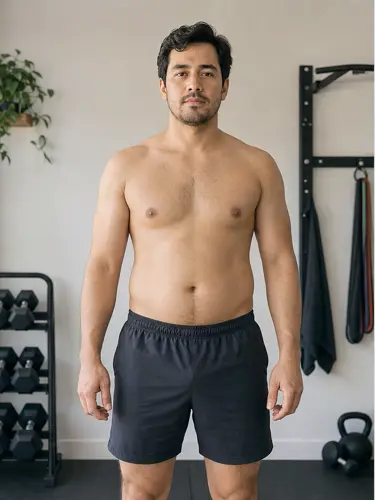

Most people think aging is something that just happens to them. Your knees get creaky, your back starts complaining, and you figure that’s just the price of getting older. But here’s what exercise physiology research keeps showing us: a lot of what we chalk up to aging is actually the result of movement patterns we choose—or don’t choose.
The good news? Many of the physical systems we assume decline with age are actually responsive to smart, targeted exercise. You don’t need surgery, medication, or magic. You need the right movements.
Why Core Stability Matters More as You Age
Your core isn’t just your abs. It’s a deep system of muscles that stabilize your spine, manage pressure in your torso, and keep your entire body balanced during everyday movement. When your core weakens—something that happens to most people by their 40s if they’re not actively working on it—everything else falls apart. Your posture collapses, your lower back takes more load than it should, and injuries follow.
But the flip side is true too. People who maintain core strength don’t experience the same cascade of problems. They move better, have fewer aches, and actually look younger because they stand up straight.
Mobility Work Is Anti-Aging Work
Most people think fitness means going harder. More weight, more reps, more sweat. But research on longevity and quality of life shows that mobility—your ability to move through a full range of motion with control—might matter more than how much weight you can lift.
When you improve mobility, you reduce compensation patterns. Your body stops borrowing movement from your lower back or shoulders when your hips can’t do their job properly. You reduce inflammation, improve circulation, and ironically, you often end up stronger because your muscles can work from their optimal range.
The Science Behind Exercise and Aging
There’s solid research showing that consistent resistance training and mobility work can reverse markers of aging at the cellular level. Your mitochondria (the energy factories in your cells) respond to exercise. Your connective tissue adapts. Your nervous system rewires to move more efficiently. These aren’t just fitness benefits—they’re biological reversals of aging processes.
The catch is consistency. This isn’t a one-month challenge. It’s a lifestyle adjustment. But unlike aging itself, this is completely under your control.
Practical Anti-Aging Movement Strategy
You don’t need complicated training splits or hours at the gym. A physiotherapist-approved approach focuses on movement quality over volume. This means doing fewer exercises but doing them with attention and precision. It means regular mobility work—even just 10 minutes daily—to maintain the range of motion you’ll need for the next 30 years of life.
It also means not ignoring niggles. That slight knee pain or that lower back twinge? Address it now rather than letting it calcify into a chronic problem.
Watch How the Pros Do It
This video from Shrey Vazir, a physiotherapist, walks through five specific exercises backed by research to help reverse aging. Rather than generic fitness advice, this is grounded in actual movement science and the problems he sees in his clinic. Watch what he explains about how these movements work and which ones your body probably needs most right now.
Leave a Reply