

Most fitness advice about abs comes from people who are already lean. They built their physique years ago, and they’ve forgotten what it’s like to start from scratch — or they’ve never had to figure out the underlying physiology. A conversation with someone who studies this for a living tends to be a lot more useful.
Chris Williamson’s interview format cuts through a lot of the noise. Instead of workout videos and before-and-afters, you get a researcher sitting down and explaining what the evidence actually says. And some of it contradicts what fitness influencers have been repeating for years.
The Fat Loss Reality
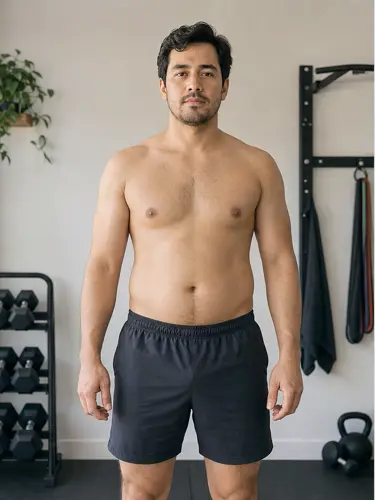
The most important thing an exercise scientist will tell you about abs is also the most ignored: getting visible abs is a fat loss problem, not a training problem. The muscles are there. You’re born with them. What hides them is body fat — specifically subcutaneous fat in the abdominal region.
Training your abs makes them stronger and potentially thicker. But a person who does zero direct ab training and gets lean enough will still have more visible abs than someone who does 500 crunches a day and doesn’t address their diet. The order of operations matters.
This doesn’t mean skip the training. It means don’t expect training alone to get you there.
Where Cardio Actually Fits In
Cardio is one of the more debated variables in fat loss. The research position is more nuanced than “do more cardio to burn more fat.” NEAT — non-exercise activity thermogenesis, basically how much you move throughout the day — often explains far more variation in body composition between individuals than structured cardio does.
Two people with identical diets and workout programs can have very different fat loss results based almost entirely on how much they move outside the gym. One person walks to meetings, takes stairs, fidgets constantly. The other sits at a desk and drives everywhere. That gap can easily add up to 300–500 calories per day.
Practically, this means that before adding another gym session, it’s worth asking whether your daily movement is actually where it should be.
The Genetics Question
Exercise scientists are more direct about genetics than fitness influencers are, because they don’t have a product to sell you. Some people have favorable fat distribution — they lose abdominal fat relatively easily and hold it in other areas. Others store fat preferentially in the midsection and are the last to lean out there.
This doesn’t mean abs are impossible for anyone. It means the timeline and required leanness vary considerably between individuals. Someone who struggles with abdominal fat storage might need to get to 10% body fat to see definition, while someone with favorable genetics sees it at 14%. Neither number is wrong. They’re just different people.
Understanding this prevents you from comparing your progress to someone who is working with a different genetic baseline.
The One Thing That Does Work
Despite all the nuance, the core answer doesn’t actually change: a sustained caloric deficit, enough protein to hold on to muscle, some form of resistance training, and patience. No protocol changes that. The scientists just remove the mythology that gets layered on top of it.
What the science does offer is permission to stop overcomplicating things. You don’t need a 12-step ab protocol. You need to be in a deficit long enough for your body fat to drop to the point where your abs become visible.
The full interview below is worth watching if you’re tired of fitness content that oversimplifies or flat-out misleads. It runs through the actual research on fat loss, muscle retention, and what separates people who get results from those who don’t.
Leave a Reply