
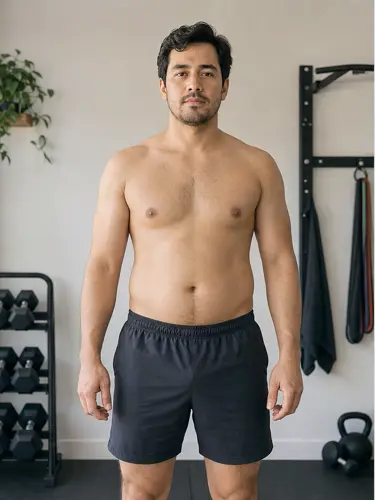
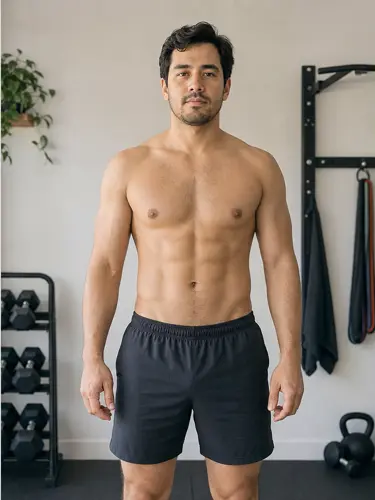
Core strength and visible abs are not the same thing. You can have a flat, defined midsection and a genuinely weak core — most people who train aesthetics without functional work fall into this category. And you can have a strong, stable core without visible abs, if body fat is higher.
Squat University approaches core work from a different angle than most fitness content. Their focus is on functional core stability — the kind that protects your spine during heavy lifts, reduces lower back pain, and builds the deep abdominal muscles that most popular ab exercises completely miss.
The Deep Core: What Most Routines Ignore
When people talk about ab exercises, they usually mean the rectus abdominis — the visible six-pack muscle. But the core is a system of muscles working together. The transverse abdominis, pelvic floor, multifidus, and internal obliques form what’s sometimes called the inner unit, and these muscles create the intra-abdominal pressure that stabilizes your spine under load.
A weak inner unit means more lower back strain during squats and deadlifts, worse posture under fatigue, and a higher risk of injury over time. None of that shows up in a crunch test. It shows up when you’re squatting heavy or standing for hours.
The Lock Base Five Routine
The routine consists of five exercises: the dead bug, bird dog, side plank, glute bridge, and a plank variation. Together, they train anti-extension, anti-rotation, and hip activation in a way that traditional ab work doesn’t touch.
The dead bug is worth singling out. Lying on your back with arms and legs raised, you extend opposite arm and leg toward the floor while keeping your lower back pressed flat. The goal is to resist lumbar extension while moving your limbs — this is exactly what your core has to do during a squat or deadlift. It’s harder than it looks, and most people immediately feel how underprepared their deep core actually is.
The bird dog trains the same anti-extension pattern from a different position. On all fours, you extend opposite arm and leg while keeping the spine completely neutral. Any wobble or rotation signals that one side of the core is weaker than the other.
Why This Matters for Getting Abs
A stronger deep core does two things for your visible results. First, it improves how you perform in the gym — better bracing means more output on the big compound lifts that burn the most calories and build the most muscle. Second, a well-trained transverse abdominis acts like a natural corset, creating a flatter, more compact-looking midsection even before significant fat loss.
It’s not a replacement for diet and cardio. But it’s a piece that’s missing from most people’s programs.
Eight Minutes, Every Day
The appeal of this routine is the time commitment. Eight minutes before a training session serves as an activation warm-up. Eight minutes after waking up starts the day with movement and sets up good posture for the hours ahead. There’s no good excuse to skip it.
After two to three weeks of daily practice, most people notice they’re bracing better under load, their lower back feels more stable, and their posture has improved. These aren’t dramatic before-and-after changes — they’re functional ones that make every other part of your training more effective.
Watch the full routine below. Squat University walks through each of the five exercises with clear form cues, and the eight-minute follow-along format makes it easy to drop this into any part of your day.
Leave a Reply