
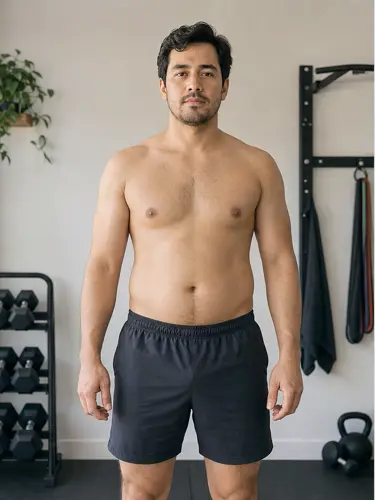
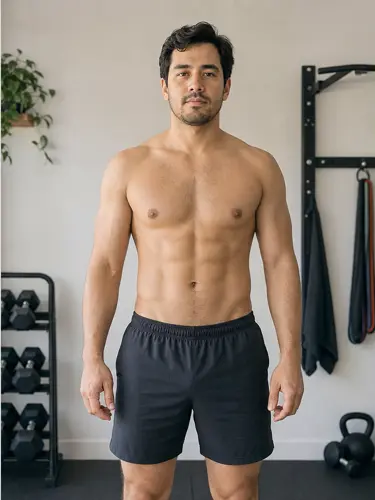
Planks dominate the ab workout conversation so thoroughly that skipping them feels like heresy. Everyone does them. Coaches prescribe them. Fitness videos feature them. Yet plenty of people who plank consistently still never develop visible abs—and some find planks straight-up ineffective for their body or their goals.
The problem isn’t planks themselves. It’s that they’ve become a default without anyone asking whether they’re the right default for you. A static hold—no matter how many seconds you can maintain it—teaches your core to resist motion, but it doesn’t build the abdominal muscles you actually see when you’re lean. Visible abs come from direct tension and overload, the same principles that build any other muscle. Planks deliver sustained tension, but they don’t give you the progressive challenge your abs need to grow.
What Your Abs Actually Need to Show
Your six-pack muscles—the rectus abdominis—respond to load and movement the same way your chest or back does. They need progressive overload: more reps, more weight, more range of motion, or more tension than last time. A plank that holds steady at the same duration month after month stops triggering adaptation. Your nervous system gets efficient at it, and your muscles stop responding.
The better approach combines anti-rotation work with dynamic movements that shorten and lengthen the abs through a full range. Crunches get dismissed as basic, but they’re basic because they work—they directly target the upper abs through flexion. Leg raises target the lower abs. Hanging work engages the entire chain. The key is choosing movements where you can add more resistance or reps than last time.
This shift changes everything. You stop asking “Can I hold this longer?” and start asking “Can I move this load more?” That question leads to visible muscle.
Why Variety Beats Repetition
One hidden killer of ab workouts is monotony. Do the same eight exercises in the same order, and your mind checks out by week three. The boredom erodes adherence worse than any physical challenge does. You skip workouts because they feel stale, not because they’re hard.
Building in variety—switching up movement angles, tempos, and exercise order—keeps your nervous system engaged and your joints fresh. When a 10-minute routine never repeats the same movement twice, you get more than just mental relief. You distribute the load across different angles of your core, hit muscles from different leverage points, and prevent your body from accommodating to a fixed stimulus.
That’s crucial for ab training. You don’t need 45 minutes of ab work. You need 10 focused minutes where every rep counts, where the movement changes hit your muscles from unexpected angles, and where boredom doesn’t kill your motivation halfway through the week.
The At-Home Reality
A misconception lingers that serious ab work requires expensive equipment. Cables, machines, weighted vests—they help. But they’re not prerequisites. Bodyweight movements, done with correct form and sufficient volume, build visible abs. The limiting factor isn’t the equipment; it’s whether you’re actually overloading the movement. That overload comes from added resistance, more reps, slower tempo, or fuller range of motion—depending on what you have available.
At-home workouts force you to get creative. You work with gravity angles, leverage, and tempo. That constraint breeds intensity. You can’t coast doing light weight and thinking you’ve trained. You have to earn every rep.
Diet Is Still Where Abs Show
Training builds your abs. Visibility requires a calorie deficit. You can own the strongest, most muscular abs on the planet, and if there’s fat covering them, nobody sees it. That’s not wrong—it’s just not the goal most people chase when they start training abs.
The proportion that matters most: you need to eat less than you burn to lose the belly fat. How aggressive that deficit is, how long you maintain it, and what you eat within it are variables. But the direction—eating less than you expend—is non-negotiable if visibility is the goal. Most people see real definition between 10 and 14% body fat. The specifics vary, but that’s the ballpark.
That said, ab training while cutting matters more than most realize. It sends a signal to your body that these muscles are important enough to keep when you’re in a deficit. It protects muscle retention during fat loss. And it builds the foundation so that when you do get lean, there’s muscle to reveal.
What Chloe Ting’s Approach Does Differently
Chloe Ting’s 10-minute routine hits that sweet spot: short enough to fit any schedule, varied enough to hit your core without repetition, and intense enough that 10 minutes delivers real stimulus. The no-repeat structure keeps your mind engaged and prevents the plateaus that trap people doing the same movements year after year.
The video demonstrates proper form on each exercise, which matters more than people think. A crunch done wrong—yanking your neck, leading with your head instead of your chest—becomes a neck exercise instead of an ab exercise. Form doesn’t have to be perfect, but it has to be intentional. Quality coaching shows you the difference.
Whether you’re starting from scratch or you’ve been training for years, running through a focused 10-minute routine like this—either as your primary ab work or paired with other training—signals to your core that you’re serious about building it. Combined with consistent nutrition and overall training, it’s enough to generate real change.
Leave a Reply